Sunday, July 15, 2012

Are Silver Nanoparticles in Clothing Safe?

Silver nanoparticles are woven into high-tech athletic clothing as a means of controlling bacteria and odors.  Silver has low toxicity for people, but is able to kill bacteria.  How it kills bacteria is not completely understood, but it is believed to cause oxidative stress.  Oxidative stress is harmful for us as well, but bacteria can be killed at lower levels than can hurt us.  Still, oxidative stress is not good.  That's why anti-oxidants are protective against cancer and effects of cell damage.  Silver nanoparticles are used in topical antibiotics to treat life threatening infections in burn patients.  Better to risk a little oxidative stress from silver nanoparticles than to die from an infection. 

So, is it a good idea to put silver nanoparticles in clothes? No one knows the answer to this question.  But there are a few answers to a few related questions.  For example, do the silver nanoparticles embedded in fabrics some off the cloth and end up in wastewater?  Do the particles come off the cloth and enter peoples bodies? Are there any known health effects from exposure to silver nanoparticles?  If the particles stay in the fabric there is probably little to worry about.  Let's take a look:
  • Do Silver nanoparticles come off the fabrics in which they are embedded?  Apparently they do, but different fabrics lose nanoparticles at different rates, at least during the wash cycle. Benn TM, & Westerhoff P (2008). Nanoparticle silver released into water from commercially available sock fabrics. Environmental science & technology, 42 (11), 4133-9 PMID: 18589977
  •  Can silver nanoparticles be absorbed through people's skin?  Apparently they can.  Silver nanoparticles are being used a a topic anti-biotic in burn patients.  Infection is a major, major factor in recovery (and mortality) for burn patients.  Brandt O, Mildner M, Egger AE, Groessl M, Rix U, Posch M, Keppler BK, Strupp C, Mueller B, & Stingl G (2012). Nanoscalic silver possesses broad-spectrum antimicrobial activities and exhibits fewer toxicological side effects than silver sulfadiazine. Nanomedicine : nanotechnology, biology, and medicine, 8 (4), 478-88 PMID: 21839058
  • How long do silver nanoparticles stay in a person once they get there?  This is an important question.  If they stay around a long time, they can do damage for a long time.  If they leave quickly they would be less dangerous.  Same thing goes for a lot of other substances.  The answer to this question appears to be unknown 
  • Are there any known health effects if silver nanoparticles are absorbed?  Lim DH, Jang J, Kim S, Kang T, Lee K, & Choi IH (2012). The effects of sub-lethal concentrations of silver nanoparticles on inflammatory and stress genes in human macrophages using cDNA microarray analysis. Biomaterials, 33 (18), 4690-9 PMID: 22459196.  Silver nanoparticles appear to have harmful effects on some human (and animal) cells.  (Comparative in vitro cytotoxicity study of silver nanoparticle on two mammalian cell lines- citation)

While its been demonstrated that the particles can harm cells, tissues or organs we don't know how much would be needed to harm health.  The amount of silver nano-particles absorbed from clothing may not be high enough to matter.  Its an unanswered question.   We'll probably hear more about this in coming years.  For now you'll have to rely on your own judgement.

Sunday, May 20, 2012

High Fat Diet, Cholesterol, the Swiss and the Australian Aboringinals


Perusing Google News with morning I came across an article claiming that "Research Shows CrossFit Diet/Exercise Reduces Risk of Heart Disease". I clicked on that one immediately because, to the best of my knowledge, no scientific research has been published on relationships between high intensity CrossFit-type training and cardiovascular disease. If one were to do a search today on Web of Knowledge using the search term "Crossfit" you would get a single hit:

Jansen, J., van Dam, N., Hoefsloot, H., & Smilde, A. (2009). Crossfit analysis: a novel method to characterize the dynamics of induced plant responses BMC Bioinformatics, 10 (1) DOI: 10.1186/1471-2105-10-425

I'm sure the intentions of whoever wrote the press release were good . . . but . . . it is quite a stretch. Still, interesting that it made it into Google News. The research the author discusses has nothing to do with Crossfit. The press release does, however, attempt to associate a high-fat diet (promoted by some Crossfitters as healthy than other diets) with lower incidence of cardiovascular disease by comparing incidence of disease between residents of Switzerland and Australian aboriginals living in modern Australia. The claim was that a high-fat dining Swiss have less cardiovascular disease than the presumed low-fat dining Australian Aboriginals and that, therefore, high-fat diets are healthier than low-fat diets.


I have not looked up the statistics for the Swiss, but Australian Aboriginals have been suffering increasing rates of cardiovascular disease over at least the last 30 years.  Few modern Aboriginals are likely to be following a traditional Aboriginal diet. It is extremely unlikely that the increasing rate of heart disease observed in Australian Aboriginals has been caused by low intake of dietary fat. Aboriginals are suffering from increasing obesity and diabetes just like so much of the rest of the world. The high incidence of cardiovascular disease in Aboriginals may be due to genetic factors and a change to a Western-type diet but extremely unlikely to be caused by a low-fat diet (especially since they are not eating this way anymore anyway).  There are also obviously many other differences between the Swiss and the Aboriginals (differences in poverty levels, availability of lederhosen and differences in other possibly important variables like intake of strong coffee and chocolate).


 ResearchBlogging.orgRowley K, Walker KZ, Cohen J, Jenkins AJ, O'Neal D, Su Q, Best JD, & O'Dea K (2003). Inflammation and vascular endothelial activation in an Aboriginal population: relationships to coronary disease risk factors and nutritional markers. The Medical journal of Australia, 178 (10), 495-500 PMID: 12741936 O'Dea K (1991). Westernisation, insulin resistance and diabetes in Australian aborigines. The Medical journal of Australia, 155 (4), 258-64 PMID: 1875844

Thursday, November 17, 2011

Estrogen and Progesterone in Waterways

In the last post, I was speculating about how estrogens from effluent might end up in way water ways and end up increasing the incidence of prostate cancer. I wondered if the problem (if it there is anything more than a chance association) might be progesterone from birth control pills rather than estrogen. Progesterone is markedly non-soluble in water so it seemed unlikely at first thought. Poking around a little, progesterone might end up in sewage effluent after all. The three studies below report on fecal and/or urinary progesterone, conjugated progesterone or "progesterone metabolites" in animals. So . . . maybe progesterone contamination of water might be relevant. And, not all sewage is filtered and treated. I recently watched someone emptying a truckload of portapotties into one of our local creeks. (Yes, I called the police, who told me it was not their problem.) Don't know if anyone has looked at this or not. If you know, please have at it in comments.
deCatanzaro D, Muir C, Beaton EA, & Jetha M (2004). Non-invasive repeated measurement of urinary progesterone, 17beta-estradiol, and testosterone in developing, cycling, pregnant, and postpartum female mice. Steroids, 69 (10), 687-96 PMID: 15465115Kinoshita K, Inada S, Seki K, Sasaki A, Hama N, & Kusunoki H (2011). Long-term monitoring of fecal steroid hormones in female snow leopards (Panthera uncia) during pregnancy or pseudopregnancy. PloS one, 6 (5) PMID: 21559303Brown JL, Wasser SK, Wildt DE, & Graham LH (1994). Comparative aspects of steroid hormone metabolism and ovarian activity in felids, measured noninvasively in feces. Biology of reproduction, 51 (4), 776-86 PMID: 7819459google-site-verification: googleaa234ad89e44d776.html

Wednesday, November 16, 2011

Response to a friend on significance of Triclosan in drinking water

Sorry Friend. That was a poor response to your question about the significance of Triclosan following news of the chemical as an androgen blocker in water.


Triclosan is a thyroid disruptor and according to recent reports, an androgen blocker. As an anti-androgen, exposure could be important to male fetuses, since it could potentially interfere with development of the genito-urinary system, which could mean birth defects like hypospadias, small phallus, or non-obvious problems like changes in numbers and proportions of cells that would, later in life, produce sperm and testosterone. Thyoid inhibition has its own effects on development of the male reproductive system as well. So there might be some interesting interactive effects if both thyroid hormones and androgens are impacted. If that would occur you'd see reduced fertility. In an adult lowered testosterone would lead to other problems.

Blocking androgens, on the upside, might lead to less prostate cancer. It would be interesting to see if Dial Soap or other triclosan-containing products use this as a marketing point. "protects against body odor, gingivitis AND prostate cancer" Let's guess not.

Lastly, there was also an article out recently that associates rates of prostate cancer with presumed levels of estrogen (presumably from urine from women on birth control) in water supplies (Margel & Fleshner 2011). This was unexpected to me, until I thought about the pathway through which testosterone is produced. Testosterone can be synthesized from Progesterone, which is also present in birth control pills. So, it may be the progesterone, rather than estrogen, that is causing the problem. Progesterone is not water soluble, so its unlikely to be found in water systems unless conjugated to something else or incorporated in something else, so this is just speculation on my part.

Back to Triclosan. You can find some basic information on what kinds of products contain Triclosan at the Environmental Working Group Website. Its dated 2008, but the basic information may be useful.

For all of this, note that, for Triclosan, the picture is far from clear, as recent papers also report Triclosan enhancing androgenic activity in vitro (Christen et al. 2010) and as having estrogenic activity (Jung et al. 2011). Neither of those qualities is desirable in an environmental contaminant.
Best wishes,

Margel, D., & Fleshner, N. (2011). Oral contraceptive use is associated with prostate cancer: an ecological study BMJ Open, 1 (2) DOI: 10.1136/bmjopen-2011-000311

Christen V, Crettaz P, Oberli-Schrämmli A, & Fent K (2010). Some flame retardants and the antimicrobials triclosan and triclocarban enhance the androgenic activity in vitro. Chemosphere, 81 (10), 1245-52 PMID: 20943248

Jung EM, An BS, Choi KC, & Jeung EB (2011). Potential estrogenic activity of triclosan in the uterus of immature rats and rat pituitary GH3 cells. Toxicology letters PMID: 22062131

Rostkowski, P., Horwood, J., Shears, J., Lange, A., Oladapo, F., Besselink, H., Tyler, C., & Hill, E. (2011). Bioassay- directed identification of novel antiandrogenic compounds in bile of fish exposed to wastewater effluents. Environmental Science & Technology DOI: 10.1021/es202966c

Sunday, May 1, 2011

Selenium, Brazil Nuts and Testosterone

There seems to be a lot out in the popular press or online material that incresing selenium intake will increase a healthy man's testosterone production (example and example II from Forbes Magazine: what were they thinking?), but little, if anything, in the scientific literature to support that idea. (I like the scientificky approach used by that website, especially the graph that shows no effect, and no indication of variability in the data points). However, elevated testosterone, long term, will increase risk of testicular and prostate cancer. There has also been recent emphasis on consumption of brazil nuts as a natural source of selenium that will boost testosterone and increase virility.

Selenium is protective against prostate cancer, and good for testicular development (fetal period . . . sorry guys) and possibly protective against other oxidative-stress-induced ailments, testicular or not. On the other hand, selenium, at high concentrations can result in DNA damage, and thus increase risk of cancer. The problem with supplementing, either through tablets, or through consumption of a natural product high in selenium, is that we do not know where the lines of good and evil cross.

As for Brazil nuts, selenium concentrations in any plant should be dependent on the concentration of selenium in the soil in which it grows, therefore, the concentration of selenium in Brazil nuts probably varies. This turns out to be the case, with nuts grown in Manaus-Belem more than ten times higher in selenium than those grown in Acre-Rondia. Someone consuming Brazil nuts may or may not be making a significant increase in selenium intake.
Chang, J. (1995). Selenium content of Brazil nuts from two geographic locations in Brazil Chemosphere, 30 (4), 801-802 DOI: 10.1016/0045-6535(94)00409-N

ATIF, F., YOUSUF, S., & AGRAWAL, S. (2008). Restraint stress-induced oxidative damage and its amelioration with selenium European Journal of Pharmacology, 600 (1-3), 59-63 DOI: 10.1016/j.ejphar.2008.09.029

Brozmanová J, Mániková D, Vlčková V, & Chovanec M (2010). Selenium: a double-edged sword for defense and offence in cancer. Archives of toxicology, 84 (12), 919-38 PMID: 20871980
Henderson, B. (2000). Hormonal carcinogenesis Carcinogenesis, 21 (3), 427-433 DOI: 10.1093/carcin/21.3.427

Wednesday, February 9, 2011

Schistosomiasis may be protective against Auto-Immune Disease

Following up here on the associations between parasite infection and reduced incidence of autoimmune diseases such as diabetes, thyroid disorders, arthritis and possibly asthma, this time with a specific focus on Schistosome infection. Schistosomias is a common infection in many areas of the developing world, and is thought to be the second most important human parasite after malaria. Infection may be sub-clinical with little or no indication of infection.

Osada et al. (2009) reported on lower inflammation and less arthritic response in infected mice. Arthritis can be induced in mice by injecting them with Collagen II. A recent publication by Xiao-Ping Chen's group (He et al. 2010) further report that the inhibitory effect of schistosomiasis is dependent on the life stage of the schistosomes. Schistosomes have a very complex life cycle and apparently some phases are more protective or induce different physiological responses in the host than others. Acute infection and egg-laying by the parasite are associated with less response to the collegen injections. Very interesting.

However, it is not advised that people run out and attempt to infect themselves, which can be pretty horrible and disfiguring. Malnutrition, anemia and lowered IQ have been observed in infected children, and increased incidence of bladder cancer is seen among infected adults. Still, it will be interesting to see where this work goes, and what treatments may be eventually developed. Thank you Osada et al. and He et al.

He, Y., Li, J., Zhuang, W., Yin, L., Chen, C., Li, J., Chi, F., Bai, Y., & Chen, X. (2010). The inhibitory effect against collagen-induced arthritis by Schistosoma japonicum infection is infection stage-dependent BMC Immunology, 11 (1) DOI: 10.1186/1471-2172-11-28

Araújo, M., Hoppe, B., Medeiros Jr, M., & Carvalho, E. (2004). Schistosoma mansoni infection modulates the immune response against allergic and auto-immune diseases Memórias do Instituto Oswaldo Cruz, 99 DOI: 10.1590/S0074-02762004000900005

OSADA, Y., SHIMIZU, S., KUMAGAI, T., YAMADA, S., & KANAZAWA, T. (2009). Schistosoma mansoni infection reduces severity of collagen-induced arthritis via down-regulation of pro-inflammatory mediators International Journal for Parasitology, 39 (4), 457-464 DOI: 10.1016/j.ijpara.2008.08.007

Saturday, January 22, 2011

Did Intestinal parasites and poor hygiene protect us from autoimmune diseases?

Autoimmune diseases are troubling, and often frustrating and painful for health care practitioners and patients. As far as I know, celiac disease is the only autoimmune disorder with a specific and identified trigger: the protein gluten. It has also been pointed out that the incidence of Celiac Disease, the formal name for gluten-triggered autoimmune reactions in the bowel, appears to have been increasing. Some have claimed that humans are not adapted to consumption of plant proteins like gluten, and that inflammatory bowel disorders are the result of the development of agriculture. However, there are a few other possibilities. One is that autoimmune disorders in general have been increasing and that Celiac disease is not increasing at a uniquely faster rate.

A major hypothesis in the development of allergies (inappropriate immune responses to non-pathogens, such as glutten or pollen or dog hair) is lack of exposure to potential allergens early in life. This, perhaps, is the root of the problem: soap, lysol, and a generally high level of cleanliness. Also, a huge change in human habit is the widespread introduction of infant formula to replace breast milk, and early introduction of other foods into infant diets. The ideal window of exposure to gluten is now considered to be between 4 and 7 months and that exposure should be concurrent with continuing breast milk consumption. Introduction to wheat cereals during this period is thought to be protective against celiac disease. Those raising their young children on gluten-free diets in the hope of protecting them from celiac disease, or the adverse effects of inflammation in general, may be taking the wrong route. (See Pinier et al. 2010 and Lopez-Serrano et al. 2010). Let them get a little dirty

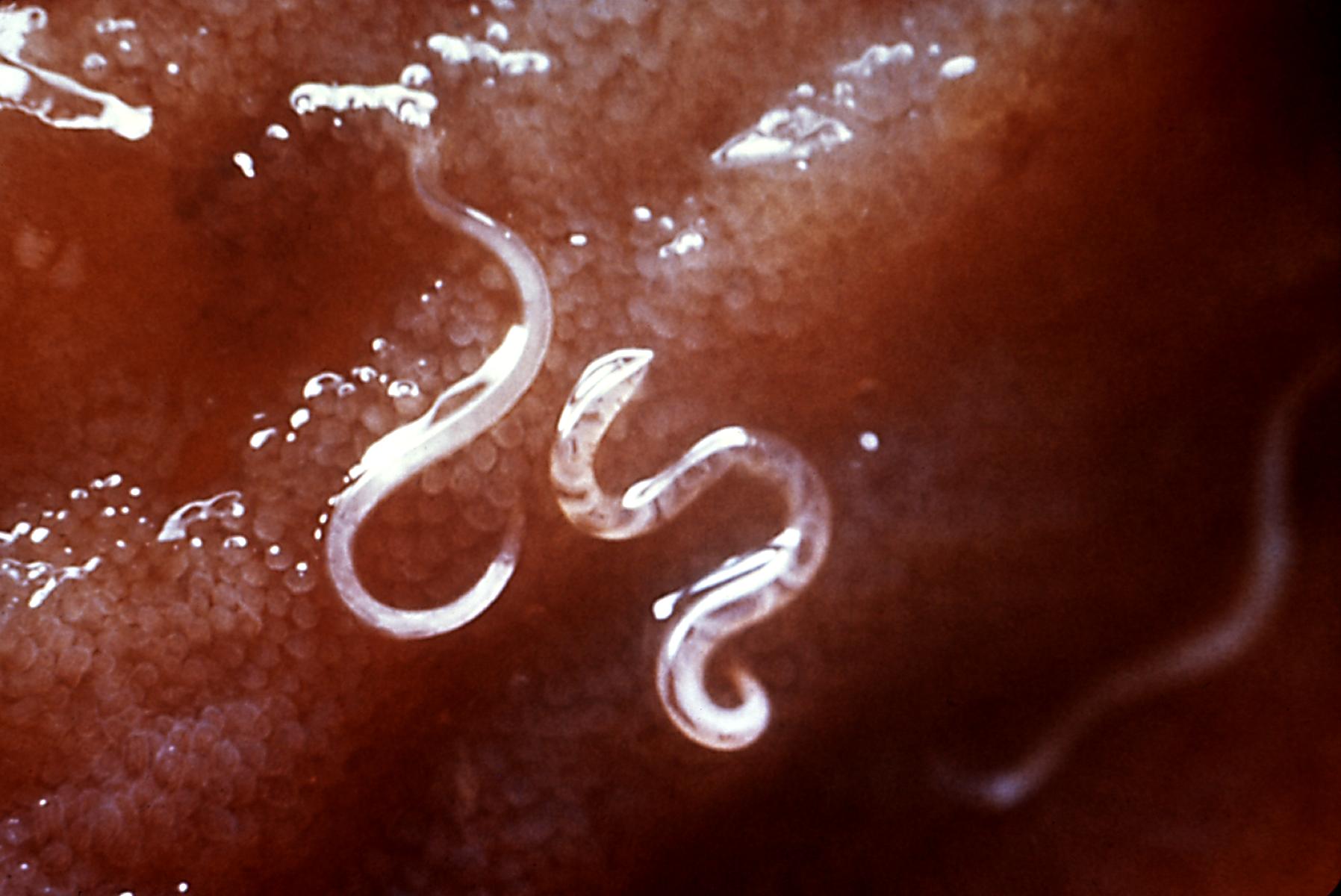
Another possiblity, proposed by Elliot and Weinstock (2009) is the current rarity of helminth infection in the Western World. These authors propose that helminth infection was protective against autoimmune diseases like celiac disease by stimulating immune circuits that lower inflammation. I suppose if one were to choose between a gluten-free diet and helminth infection, most would go with the gluten-free diet. However, before you consider loss of bread as the price some pay for the protection of all against intestinal parasites, note that Elliot and Weinstock also propose exploration of the use of helminths for clinical treatment of auto-immune disease.


Elliott, DE and Weinstock JV (2009). Inflammatory bowel disease and the hygiene hypothesis: an argument for the role of helminths Progress in Inflammation Research, 149-178 DOI: 10.1007/978-3-7643-8903-1_9

Pinier M, Fuhrmann G, Verdu E, & Leroux JC (2010). Prevention measures and exploratory pharmacological treatments of celiac disease. The American journal of gastroenterology, 105 (12) PMID: 20877349

López-Serrano P, Pérez-Calle JL, Pérez-Fernández MT, Fernández-Font JM, Boixeda de Miguel D, & Fernández-Rodríguez CM (2010). Environmental risk factors in inflammatory bowel diseases. Investigating the hygiene hypothesis: a Spanish case-control study. Scandinavian journal of gastroenterology, 45 (12), 1464-71 PMID: 20704469